
As construction managers overseeing the build or renovation of medical clinics, you understand that every material choice impacts patient safety, operational efficiency, regulatory compliance, and long-term maintenance costs. Painting walls and ceilings in healthcare facilities demands far more than aesthetics—it requires rigorous attention to infection control, durability under frequent disinfection, indoor air quality, and minimal disruption during occupied phases.
This guide focuses on critical paint materials, wall and ceiling preparation, color strategies, and complementary design elements like wall coverings, architectural features, and soft lighting. By integrating these considerations early in your project planning, you can deliver clinics that support healing environments while meeting ICRA (Infection Control Risk Assessment) protocols, Joint Commission standards, and local health regulations.
Paint Materials: Prioritizing Durability, Hygiene, and Air Quality
In medical clinics, walls and ceilings endure high traffic, repeated cleaning with hospital-grade disinfectants, and exposure to bodily fluids or chemicals. Standard residential paints fail quickly here—opt instead for commercial-grade, healthcare-specific formulations.
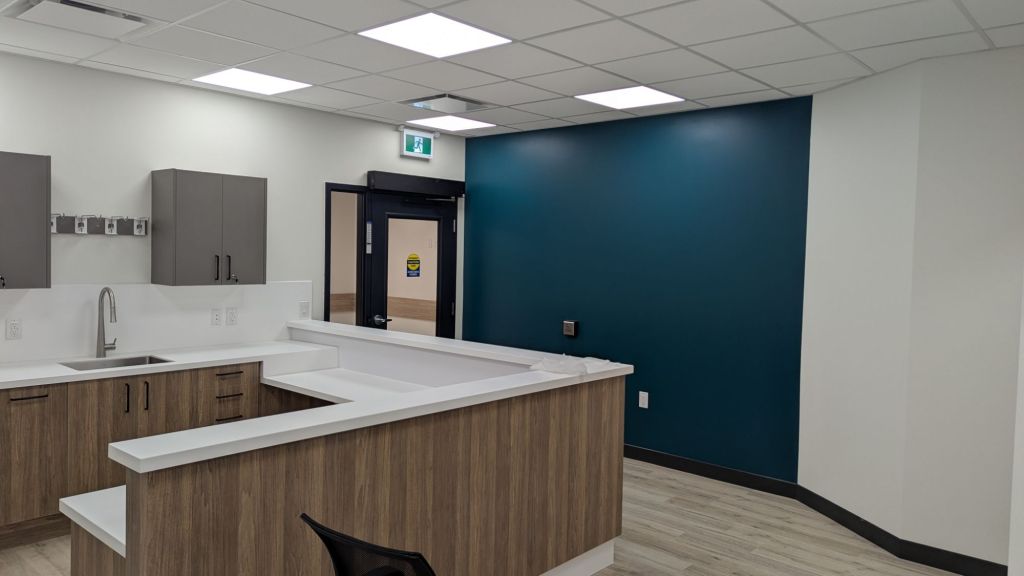
Key Paint Recommendations:
Low- or Zero-VOC Paints: Essential for maintaining indoor air quality, especially in occupied facilities or near sensitive patients. These minimize off-gassing of harmful chemicals that could irritate respiratory systems or trigger allergies. Many projects now require GREENGUARD or similar certifications for LEED or sustainability credits.2e6fad
Antimicrobial and Microbicidal Coatings: These inhibit growth of bacteria (e.g., Staph, MRSA, E. coli), mold, and mildew on the painted surface. Products like microbicidal latex paints can kill up to 99.9% of certain microbes within hours, providing an extra layer of protection alongside routine cleaning. Ideal for exam rooms, patient areas, restrooms, and high-touch zones.4c663b
Scrub-Resistant and Scuff-Resistant Finishes: Look for washable, scrubbable acrylic latex or epoxy-based paints rated for frequent cleaning. Semi-gloss or satin sheens balance cleanability (resistant to stains and disinfectants) with a non-institutional appearance. High-gloss works well in wet areas like bathrooms but can create glare; avoid flat/matte in clinical zones as it shows wear and harbors dirt.6b1793
Specialty Options: Moisture- and mildew-resistant formulas for humid areas; fiber-reinforced epoxy wall systems for added impact resistance and seamless cleanability in high-risk zones; quick-dry, low-odor options to reduce downtime.
Always verify products against facility-specific requirements, including chemical resistance to common disinfectants. Premium coatings may cost more upfront but reduce repaint frequency and maintenance budgets over time.
Wall and Ceiling Preparation: Foundation for Long-Term Performance
Poor preparation is the leading cause of paint failure in healthcare settings—peeling, cracking, or poor adhesion can compromise hygiene and aesthetics. As construction managers, insist on detailed prep protocols in your subcontractor scopes and ICRA plans.
Essential Preparation Steps:
Surface Assessment and Cleaning: Remove all dust, dirt, oil, grease, loose paint, efflorescence, mold, or contaminants. For existing surfaces, test for adhesion and moisture content. New drywall or plaster must be fully cured and free of joint compound imperfections.
Repair and Patching: Fill cracks, holes, and joints with appropriate compounds. Sand smooth to eliminate ridges or texture that could trap dirt or bacteria. In clinical areas, aim for smooth, seamless finishes—avoid unnecessary texture.
Priming: Apply high-quality, alkali-resistant primers (especially on new masonry, concrete, or high-pH surfaces) to promote adhesion and block stains. Use stain-blocking or bonding primers over glossy existing finishes or challenging substrates like tile or metal. For antimicrobial systems, follow manufacturer priming recommendations precisely.
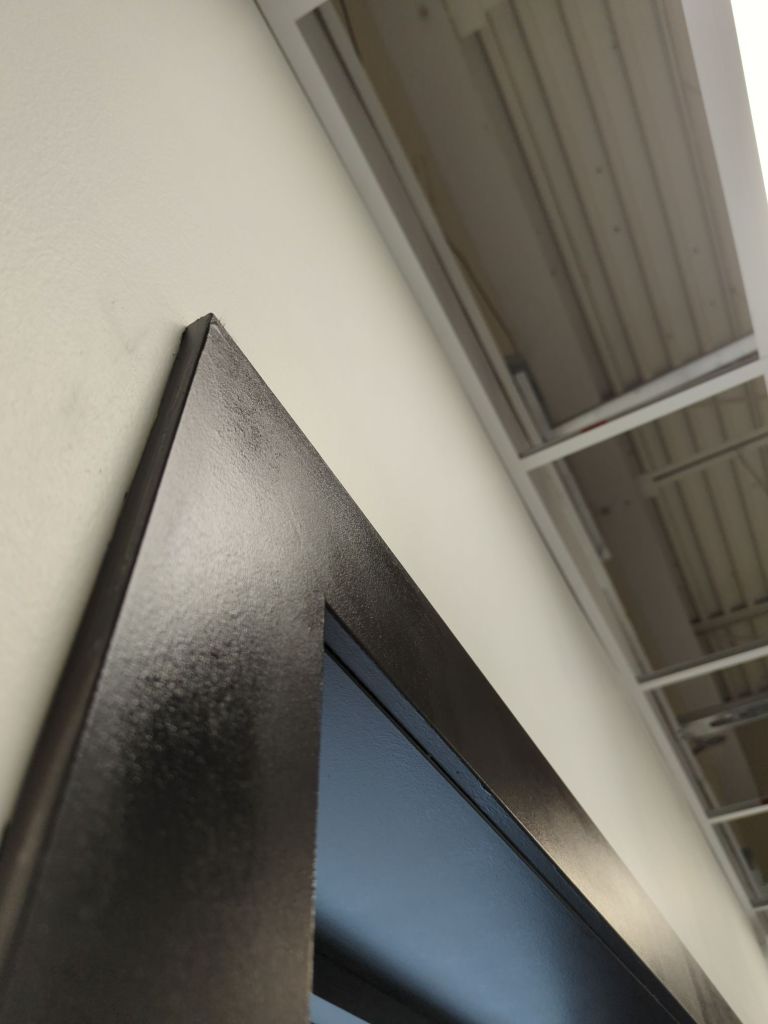
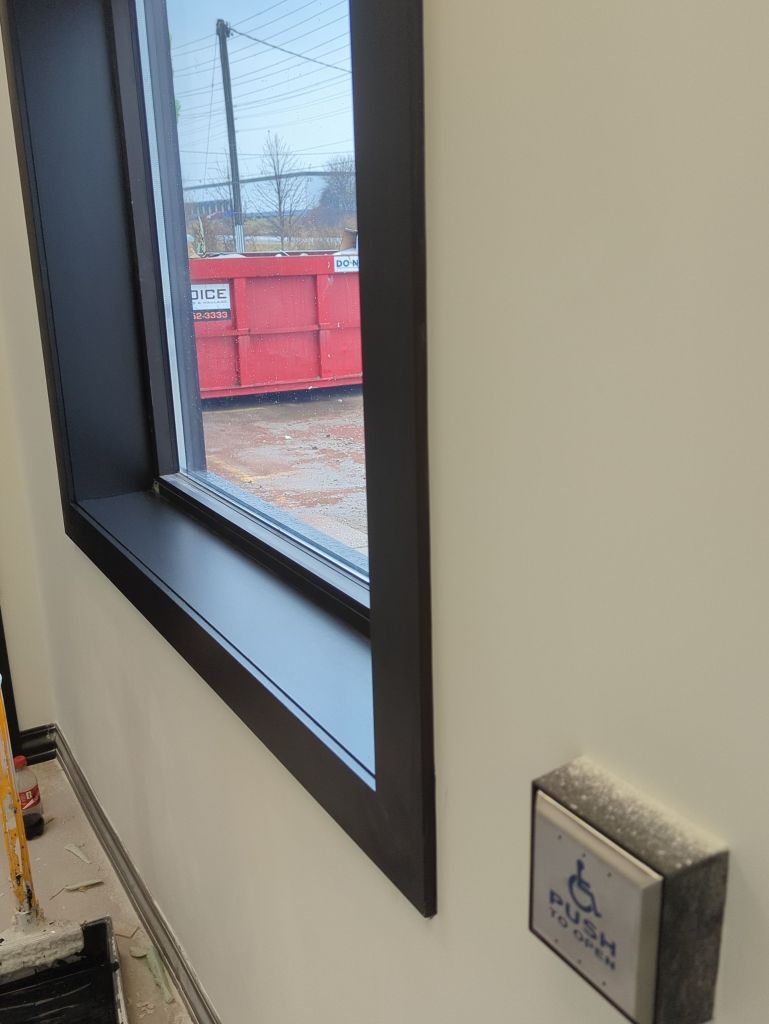
Ceiling-Specific Considerations: Ceilings in patient care or sterile areas often require monolithic (seamless) finishes to prevent dust accumulation. In operating or isolation rooms, specify smooth, cleanable surfaces with recessed lighting seals. Acoustic tiles may suit administrative areas but need washable coatings where hygiene is critical.
Containment and ICRA Integration: During prep (especially sanding or cutting, classified as Type C activities), implement full ICRA containment: negative air pressure, HEPA filtration, plastic barriers, and dust control. Schedule disruptive work during off-hours or phased occupancy to protect patients.e8d186
Document all prep work with photos and sign-offs— it ensures warranty compliance and protects against future liability.
Paint Colors, Wall Coverings, Architectural Features, and Soft Lighting: Creating Healing Environments
While function drives material choices, thoughtful design elements reduce patient anxiety, improve wayfinding, and support staff well-being. Integrate these during schematic design to avoid costly change orders.
Color Strategies:
Choose palettes based on color psychology and lighting conditions. Soft neutrals (warm grays, ivories, taupes), calming blues, and nature-inspired greens promote tranquility without feeling cold. Use warmer accents (soft yellows or peaches) in pediatric or rehab areas for uplift. Test samples under actual clinic lighting—mix of natural and artificial sources can shift perception. Lighter colors with good Light Reflectance Value (LRV) make spaces feel larger and brighter; avoid high-contrast or overly saturated hues that heighten stress. Biophilic palettes (earthy tones, leafy greens) enhance restorative effects.de4fba
Wall Coverings and Alternatives:
In high-traffic or impact-prone areas, consider durable Type II or III vinyl wallcoverings, PVC-free options, or rigid sheet systems (e.g., fiber-reinforced panels or decorative laminates). These offer better impact resistance and cleanability than paint alone and can be fully welded for seamless hygiene. Vinyl-type wallpapers or printed murals work in waiting rooms or non-clinical zones for visual interest, provided they meet cleanability and low-VOC standards. For feature walls, use bleach-cleanable, stain-resistant coverings that align with infection control. Avoid textiles or porous materials in clinical spaces.b83cd7
Architectural Features:
Incorporate subtle elements like coved base transitions, capped dwarf walls, or integrated niches to minimize dust ledges and improve cleanability. Textured or patterned panels (biophilic woodgrain or stone mimics) can add warmth without compromising durability. Seamless epoxy or resin wall systems provide both protection and decorative options in corridors or procedure areas.
Soft Lighting Integration:
Pair surfaces with lighting design for optimal results. Soft, indirect, or circadian lighting (warmer color temperatures in patient areas) reduces glare on semi-gloss finishes and creates a soothing ambiance. Recessed or flush-mounted fixtures in monolithic ceilings prevent shadow lines and dust traps. Dimmable systems in exam or waiting rooms allow customization, while accent lighting can highlight architectural features or art without overwhelming patients. Proper lighting enhances color accuracy and perceived cleanliness.0fc7f9
Coordinate with your design team early—mock-ups of color, texture, and lighting combinations help validate choices before full-scale application.
Best Practices for Successful Implementation
Phased Execution and Minimal Disruption: Use fast-drying, low-odor paints and schedule around clinic operations. Maintain negative pressure and HEPA air scrubbers during all dust-generating activities.
Compliance and Coordination: Complete ICRA matrices for every phase, involving infection preventionists. Ensure subcontractors are trained in healthcare protocols and use single-use tools where required.
Quality Control: Multiple thin coats for even coverage and durability. Verify dry times, ventilation, and final inspections before re-occupancy.
Budget and Value Engineering: Balance initial costs with lifecycle savings—durable, antimicrobial systems often pay for themselves through reduced maintenance and fewer infection risks.
Delivering Superior Medical Clinics
Thoughtful specification of paint materials, meticulous wall and ceiling preparation, and integrated design elements transform medical clinics from functional buildings into supportive healing environments. As construction managers, your leadership in these details directly influences patient outcomes, staff satisfaction, and facility longevity.
Prioritize early collaboration with paint manufacturers, infection control specialists, and designers. The result: clinics that not only meet stringent healthcare standards but exceed expectations for comfort and performance.
What challenges have you faced with healthcare painting specs on recent projects? Share insights below or reach out for tailored recommendations on your next clinic build.
This post is for informational purposes and should be paired with site-specific testing and professional consultations.
 GNARLYWALL
Leave a comment